Teen substance use is an important concern for parents, educators, and communities. Recognizing the early signs of drug use in teens can help families address concerns, encourage healthier choices, and seek appropriate support before substance use develops into a more serious problem.
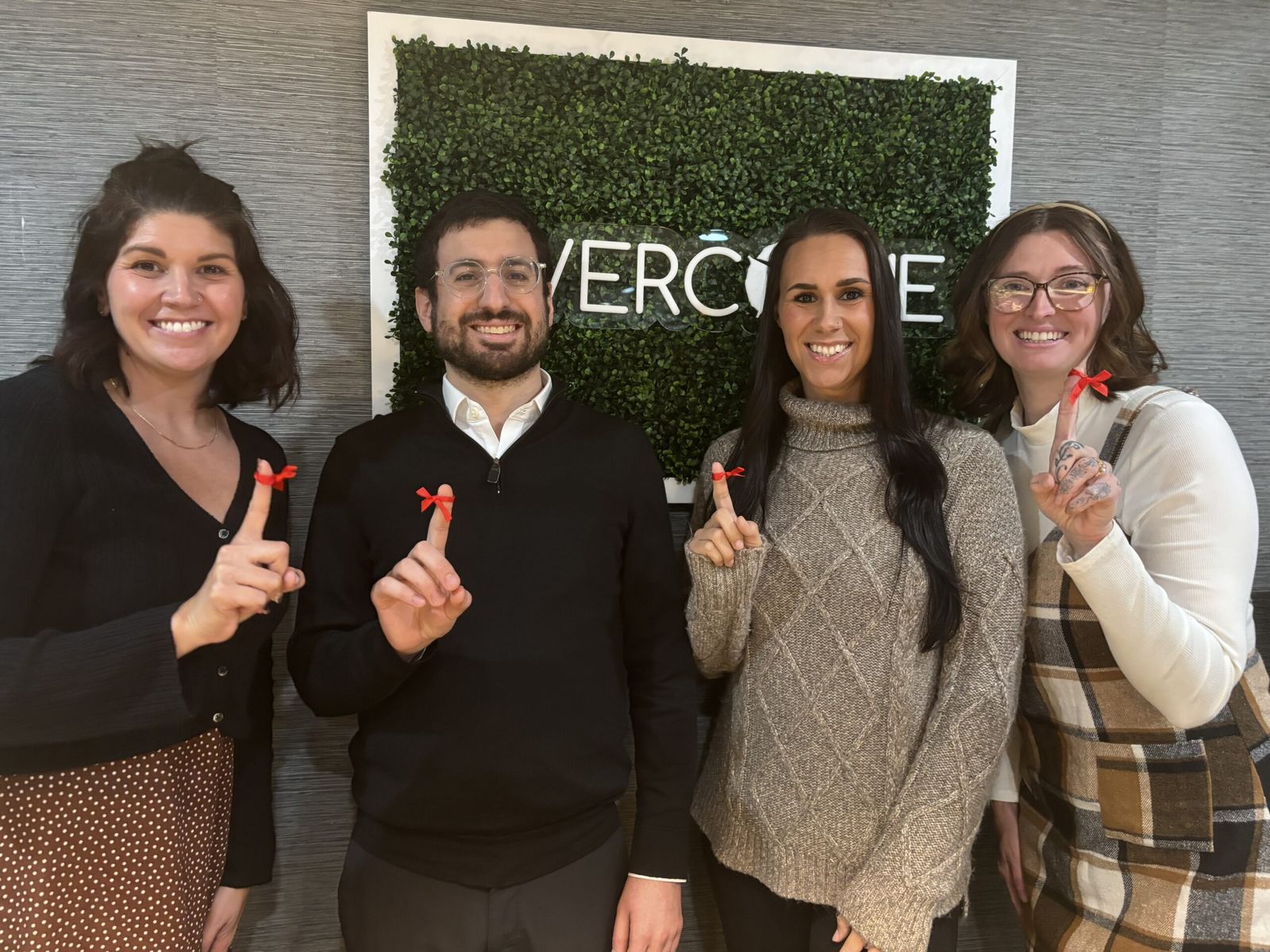
Red Ribbon Week, observed annually from October 23–31, raises awareness about drug prevention and encourages young people to make healthy, drug-free choices. The 2026 theme, Make A Difference. Be A Hero. Stay Drug Free., highlights how everyday decisions can contribute to healthier individuals and communities.
According to the CDC’s 2023 Youth Risk Behavior Survey report, approximately 10% of high school students reported ever using select illicit drugs, including cocaine, inhalants, heroin, methamphetamines, hallucinogens, or ecstasy. Additionally, approximately 12% reported ever misusing prescription opioids by taking them without a doctor’s prescription or differently than directed.
The 2025 Monitoring the Future survey, which tracks substance use among students in eighth, tenth, and twelfth grades, reported the following past-year substance use rates:
- Alcohol: Approximately 11% of eighth graders, 24% of tenth graders, and 41% of twelfth graders reported alcohol use.
- Marijuana: Approximately 8% of eighth graders, 16% of tenth graders, and 26% of twelfth graders reported marijuana use.
- Nicotine vaping: Approximately 9% of eighth graders, 14% of tenth graders, and 20% of twelfth graders reported nicotine vaping.
These findings underscore the importance of early education, open communication, and ongoing substance use prevention efforts. At Overcome Wellness & Recovery, we recognize that awareness, family involvement, and access to appropriate support are important parts of addressing substance use.
Why Teen Substance Use Prevention Matters
Adolescence is a critical period of physical, emotional, social, and neurological development. During this time, the brain’s reward systems mature faster than the areas responsible for judgment, planning, and impulse control. This developmental imbalance can contribute to increased risk-taking and experimentation with substances.
Research suggests that more than 90% of adults in the United States with substance use disorders (SUDs) began using substances during adolescence.
Substance use during these formative years can have lasting consequences, affecting:
- Academic performance and educational opportunities
- Family relationships and social development
- Physical and mental health
- Decision-making and cognitive functioning
- Future employment and personal stability
Adolescents experiencing substance use disorders may also face increased risks of unintended pregnancy, sexually transmitted infections, involvement with the justice system, academic difficulties, cognitive impairment, and mental health challenges.
Understanding these developmental risks highlights why prevention, education, and early intervention are essential.
Risk Factors for Teen Substance Abuse
Not every teenager who experiments with substances develops an addiction. However, certain factors may increase vulnerability to substance use and related problems.
Common risk factors include:
- Family history: A family history of substance use may increase vulnerability.
- Early exposure: Exposure to alcohol or drugs at a young age can increase risk.
- Developing brain: Adolescents may be more vulnerable to cravings and patterns of repeated substance use.
- Social environment: Environments where substance use is normalized can influence decision-making.
- Peer pressure: Friends and social groups can influence attitudes toward experimentation.
Social media and other forms of media can also portray substance use as harmless or glamorous. Open conversations and early guidance can help teenagers better understand these risks.
Common Signs of Drug Use in Teens
Recognizing the signs of drug use in teens can help parents and caregivers identify potential concerns and seek support early.
Substance use may affect a teenager’s mood, behavior, physical appearance, and overall health. However, these changes do not automatically indicate drug or alcohol use. Stress, mental health concerns, and other developmental challenges can produce similar symptoms.
Parents should look for persistent or unusual patterns rather than drawing conclusions from a single symptom.
1. Changes in Mood and Personality
Substance use may coincide with noticeable changes in a teenager’s mood, personality, or communication habits.
Potential warning signs include:
- Becoming withdrawn, unusually quiet, or depressed
- Losing interest in hobbies or activities
- Communicating less with family members
- Showing increased irritability, anger, hostility, or defiance
- Becoming unusually secretive or dishonest
- Having difficulty concentrating or staying focused
- Displaying sudden changes in inhibitions
- Appearing unusually energetic, excited, or euphoric
2. Changes in Behavior and Daily Routines
Changes in relationships, responsibilities, and everyday habits may also indicate a potential problem.
Watch for patterns such as:
- Increasing conflict with family or changes in friendships
- Missing school or losing interest in extracurricular activities
- Avoiding conversations or eye contact
- Spending excessive time behind locked doors or disappearing for extended periods
- Frequently going out without explanation or repeatedly breaking curfew
- Becoming unusually protective of phone use or online activity
- Providing inconsistent explanations about whereabouts or behavior
- Using gum or mints to mask unusual breath odors
- Frequently using eye drops to address redness or irritation
- Experiencing unexplained financial difficulties or missing money
- Showing unusual clumsiness or poor coordination
- Experiencing disrupted sleep or excessive sleeping
3. Changes in Hygiene and Appearance
Substance use can sometimes affect personal hygiene, grooming, and physical appearance.
Possible signs include:
- Unusual odors on the breath, hair, or clothing
- A noticeable decline in personal hygiene
- Frequently red or flushed skin
- Burns or soot marks on the fingers or lips
- Unexplained marks on the arms or legs
- Wearing clothing that may conceal unexplained marks
These signs are not proof of substance use, but persistent or unexplained changes may warrant a conversation.
4. Physical Signs of Substance Use
Changes in physical health can also be cause for concern, particularly when several symptoms appear together.
Potential physical indicators include:
- Frequent illness or unusual fatigue
- Slurred, unusually rapid, or difficult-to-understand speech
- Recurrent nosebleeds or an unexplained runny nose
- Sores or unusual spots around the mouth
- Sudden, unexplained weight loss or gain
- Unexplained bruises or skin abrasions
- Excessive sweating
- Episodes of vomiting or seizures
Important: Seizures, difficulty breathing, unconsciousness, or severe confusion require immediate medical attention. Call 911 if a medical emergency is suspected.
How Parents Can Recognize Potential Signs of Substance Use
Parents and caregivers are often in the best position to notice changes in their teenager’s behavior and daily routines. Paying attention to unusual patterns can help determine whether additional support may be needed.
Here are some areas to consider:
Pay attention to unusual odors.
Unfamiliar odors on your teen’s breath, clothing, or hair may raise concerns. The smell of alcohol or smoke can be a reason to ask questions, but odors alone cannot confirm substance use.
Choose a calm moment to talk privately rather than confronting your teenager in front of others.
Notice changes in eye appearance.
Red eyes, unusually dilated or constricted pupils, heavy eyelids, or difficulty focusing can sometimes accompany substance use. These symptoms may also result from allergies, fatigue, medication, or other health conditions.
Consider whether other behavioral or physical changes are present.
Observe behavior and coordination.
Pay attention to how your teenager behaves after social outings or at different times of the day. Unusual loudness, inappropriate laughter, increased irritability, withdrawal, stumbling, poor coordination, nausea, or extreme tiredness may indicate that something is wrong.
Rather than assuming substance use is the cause, ask open-ended questions and give your teenager an opportunity to explain what they are experiencing.
Address concerns about personal spaces and digital activity.
If you have specific reasons to worry about your teenager’s safety, consider an age-appropriate and transparent approach to checking their belongings or personal spaces. Explain your concerns and the boundaries you believe are necessary to protect their health and well-being.
Unfamiliar vaping devices, alcohol containers, drug-related paraphernalia, or unaccounted-for medications may warrant further attention.
Digital activity may also raise concerns if messages or posts suggest substance use or contradict information your teenager has shared.
The Role of Family in Teen Substance Use Prevention
Substance use prevention is not a one-time conversation or a single school initiative. It is an ongoing effort involving families, educators, community organizations, and healthcare professionals.
Children benefit from having trusted adults they can approach with questions, concerns, or difficult experiences. Clear expectations, consistent communication, and supportive relationships can help teenagers feel more comfortable seeking guidance when they need it.
For parents and caregivers, Red Ribbon Week provides an opportunity to discuss:
- The risks associated with drugs and alcohol
- Prescription medication misuse
- Peer pressure and social influences
- Healthy decision-making
- The importance of asking for help
Prevention starts with creating an environment where young people feel safe, supported, and comfortable having honest conversations.
How to Talk to Your Teen About Substance Use
As someone who understands the importance of early intervention in substance use treatment, it’s important to have open communication with our children regarding the topic. Decreasing stigma in the home increases the chances of transparent discussions from our teens. The dialogue regarding prevention starts at home, don’t be afraid to have tough conversations with your kids that prepare them for real-life situations.
Conversations about substance use can be challenging, but approaching them with empathy, patience, and an open mind can make a difference.
Here are a few ways parents can start the conversation:
- Express concern with care: “I’ve noticed some changes lately, and I’m concerned about you. Can we talk about what’s going on?”
- Listen without interrupting: Give your teenager time to share their thoughts and feelings.
- Avoid blame or criticism: Focus on understanding the situation rather than lecturing or making accusations.
- Communicate expectations calmly: Explain your values and concerns while keeping the conversation respectful.
- Encourage professional support: Let your teenager know that asking for help is a positive step, not something to be ashamed of.
If you suspect substance use, consider speaking with a qualified healthcare or behavioral health professional about appropriate next steps.
The Importance of Family Support in Addiction Recovery
When substance use affects a family, its impact often extends beyond the individual. Parents, siblings, partners, and other loved ones may experience stress, uncertainty, and emotional challenges.
Family education, open communication, and professional guidance can help loved ones better understand addiction and navigate the recovery process.
At Overcome Wellness & Recovery, we recognize that family involvement can play an important role in supporting recovery. Our family support groups provide an opportunity for individuals in the community who have a loved one struggling with addiction to find guidance and connection.
Recovery is not always a straightforward process, but having a supportive network can make a meaningful difference.
How Overcome Wellness & Recovery Supports Addiction Recovery
At Overcome Wellness & Recovery, we believe effective addiction treatment should address the whole person, not just substance use.
Located in Lakewood, New Jersey, Overcome provides compassionate, individualized outpatient treatment. Our treatment approach combines evidence-based therapies with holistic practices to address underlying concerns, strengthen coping skills, and support lasting recovery.
Our programs include:
- Partial Hospitalization Program (PHP): Structured, intensive daytime treatment.
- Intensive Outpatient Program (IOP): Flexible treatment that supports recovery while individuals maintain daily responsibilities.
- Outpatient Treatment: Continued therapeutic support as individuals progress in recovery.
- Trauma and Addiction Counseling: Trauma-informed therapy that addresses the painful experiences often at the root of addiction.
- Behavioral Health: CBT & DBT: Cognitive and dialectical behavior therapy help you reshape thought patterns, manage emotions and build the skills that make recovery last.
- Dual Diagnosis Treatment: Integrated support for substance use and co-occurring mental health conditions.
Our master’s-level clinicians use a personalized, trauma-informed approach that recognizes each individual’s experiences, strengths, and treatment needs.
Contact Overcome Wellness & Recovery at (732) 505-7261 or through our contact page to learn more about our outpatient addiction treatment programs for adults and our family support resources.